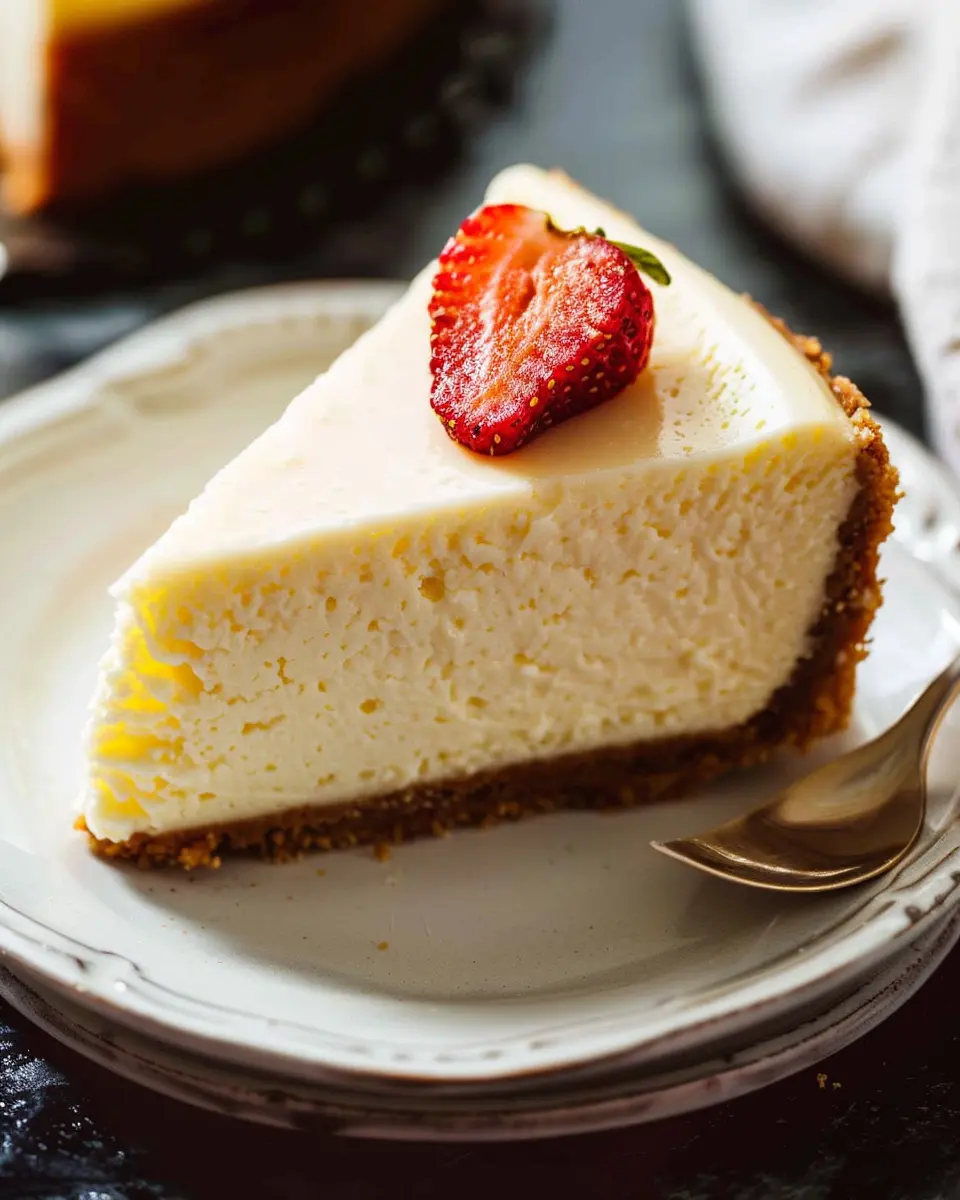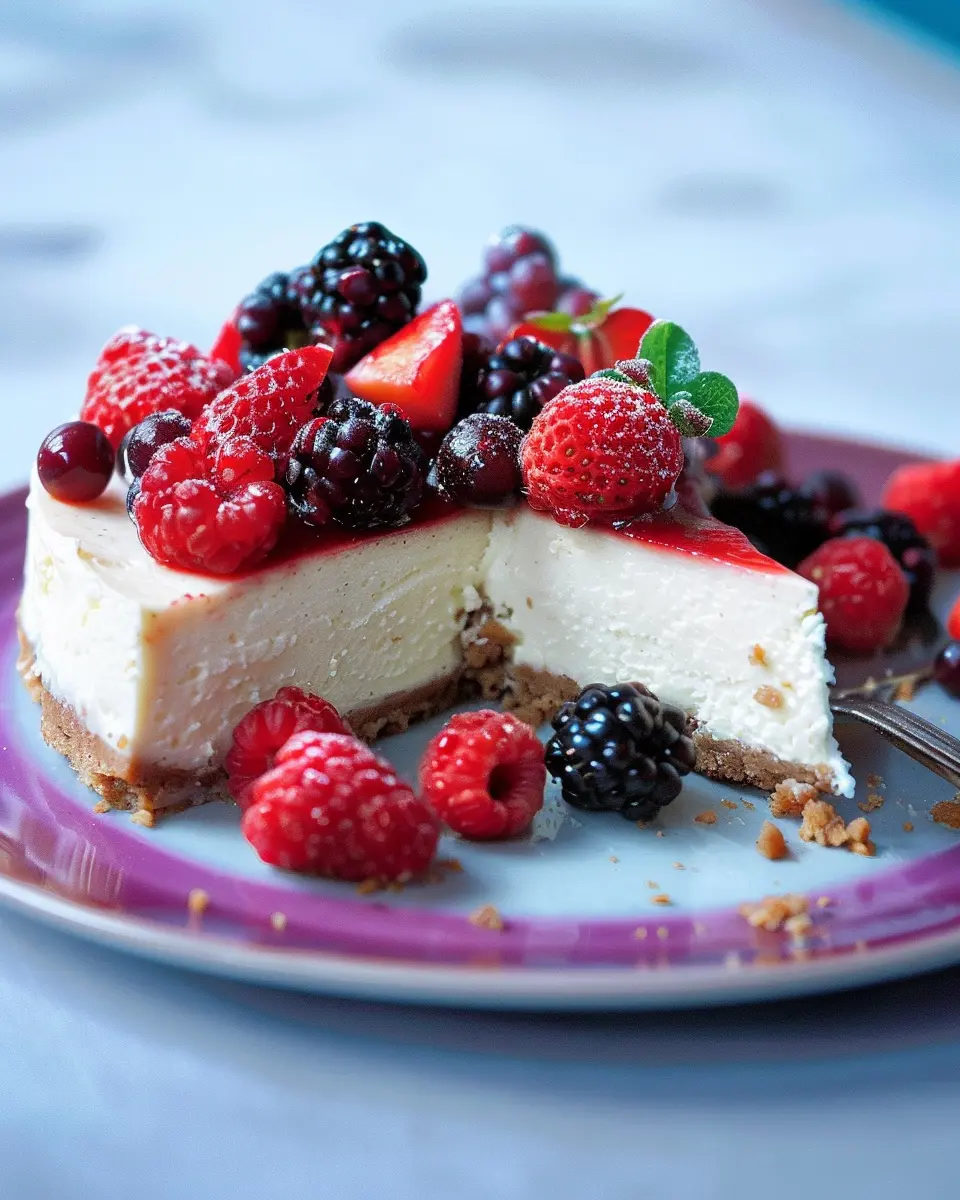
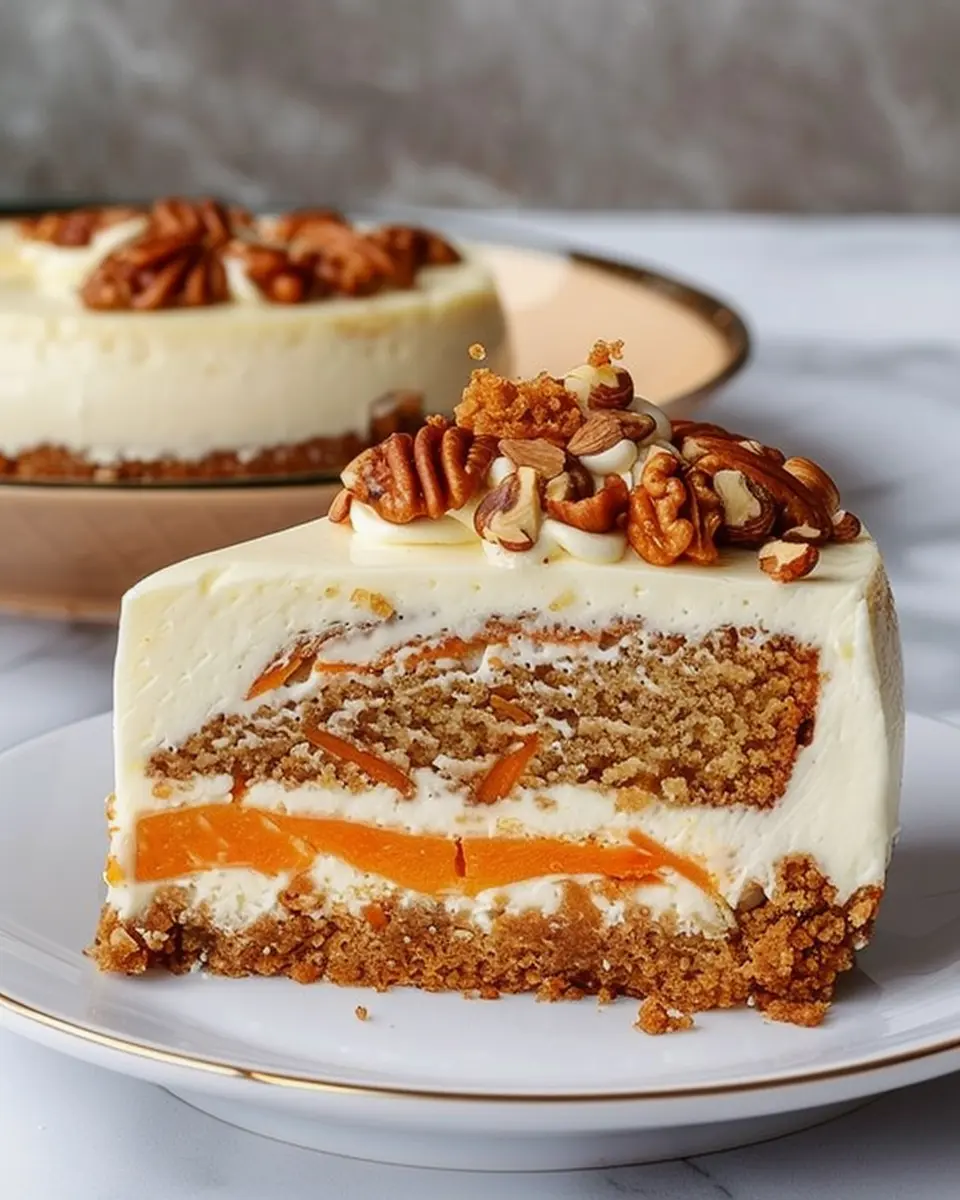
Carrot Cake Cheesecake: The Perfect Blend of Flavors
Why Choose Carrot Cake Cheesecake for Your Next Dessert?
When you think of desserts that bring smiles, carrot cake cheesecake likely doesn’t top your list. But trust me; it should! This delightful creation combines the moist, spiced goodness of traditional carrot cake with the rich creaminess of cheesecake, making it an irresistible treat for any occasion.
Imagine sinking your fork into a slice where cinnamon and nutmeg dance beautifully with the smooth texture of cream cheese. The subtle sweetness of carrots is enhanced by hints of pineapple and chopped walnuts, creating a multi-layered flavor profile that’s both comforting and indulgent. This unique combination is perfect for gatherings—from casual brunches to festive celebrations.
But don’t just take my word for it. According to food enthusiasts at Serious Eats, the intricate interplay of textures and flavors in a carrot cake cheesecake makes it a standout dessert choice. The layers also allow for creativity; you can add your favorite toppings like whipped cream or a drizzle of caramel for an extra touch.
Versatility at Its Best
One of the best aspects of carrot cake cheesecake is its versatility. Not only does it satiate sweet cravings, but it also complements seasonal festivities perfectly. Imagine serving it at a spring gathering or during the fall harvest season—its warm spices evoke seasonal cheer while providing a refreshing twist. Plus, the two-in-one dessert means that you can impress guests without juggling multiple recipes.
A Touch of Personalization
Feel free to customize your carrot cake cheesecake recipe! Want a glass of lactose-free almond milk on the side? Go for it! Need to swap traditional cream cheese for a vegan option? There are excellent alternatives available such as cashew-based creams. Experimenting with flavors can turn a simple dessert into a signature dish!
In conclusion, carrot cake cheesecake is a fantastic way to combine the best of both worlds: the cozy familiarity of carrot cake and the decadent indulgence of cheesecake. So why not elevate your dessert game and give this delicious recipe a try? You won’t regret it!
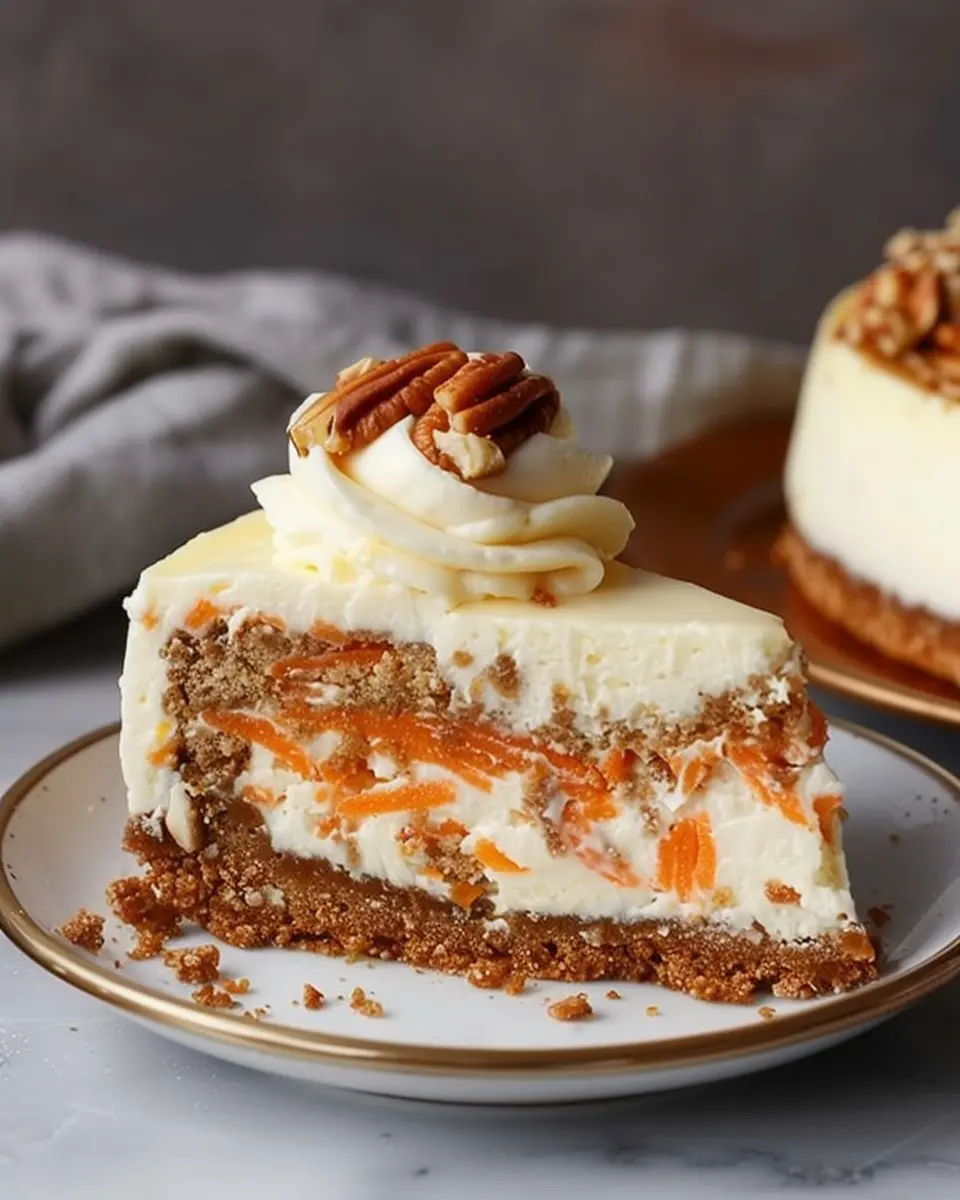
Ingredients for Carrot Cake Cheesecake
Creating a carrot cake cheesecake is a delightful way to combine two beloved desserts, and the right ingredients will make all the difference. Let’s break down what you’ll need!
Essential ingredients for the cheesecake layer
For the creamy cheesecake filling, you’ll want to have:
- Cream Cheese: The star ingredient that provides that signature texture.
- Sour Cream: Adds tanginess and richness.
- Sugar: Sweetens the mixture to perfection.
- Eggs: Helps everything bind together beautifully.
If you’re looking for a lower-fat option, consider using Greek yogurt as a substitute for sour cream.
Must-have ingredients for the carrot cake layer
For the carrot cake element, gather these essentials:
- Grated Carrots: Freshly grated for the best flavor.
- Flour: All-purpose flour works best for structure.
- Baking Powder and Baking Soda: These leavening agents make your cake rise.
- Cinnamon and Nutmeg: Key spices that provide warmth and aroma.
- Chopped Nuts: Walnuts or pecans add a great crunch!
You can learn more about the health benefits of these spices at Healthline.
Topping ingredients that make it irresistible
To elevate your carrot cake cheesecake, consider using:
- Cream Cheese Frosting: A classic topping that ties the flavors together.
- Chopped Nuts: Sprinkle them on top for added texture.
- Carrot Decorations: Cute carrot decorations can make it look extra special!
With these ingredients, your carrot cake cheesecake will be a crowd-pleaser at any gathering. Happy baking!
Step-by-Step Preparation of Carrot Cake Cheesecake
Creating a carrot cake cheesecake is a delightful culinary journey that merges the rich flavors of traditional carrot cake with the creamy texture of cheesecake. Let’s dive into this step-by-step guide to ensure your baking adventure is as enjoyable as the delicious outcome!
Preparing your work area and preheating the oven
Before you start mixing things up, it’s essential to set the stage right. A clean workspace can make your baking experience so much smoother. Begin by gathering all your ingredients:
- For the cheesecake: Cream cheese, sugar, sour cream, eggs, and vanilla extract.
- For the carrot cake: Grated carrots, flour, sugar, baking powder, baking soda, spices (like cinnamon), and optional add-ins such as nuts or raisins.
Also, don’t forget your tools! You’ll need a springform pan, mixing bowls, a whisk, and a spatula.
Once you have everything lined up, preheat your oven to 325°F (160°C). This gives it ample time to reach the perfect temperature, ensuring even baking later on.
Crafting the cheesecake mixture
Next, let’s move to the star of the show—our cheesecake layer. In a mixing bowl, combine:
- 16 ounces of room-temperature cream cheese
- 3/4 cup of sugar
- 1 cup of sour cream
- 3 large eggs
- 1 teaspoon of pure vanilla extract
Using a hand mixer or stand mixer, blend this mixture until it’s silky smooth and free of lumps. It’s essential to scrape down the sides of the bowl midway through to capture everything. The creaminess of this mixture will beautifully contrast with the texture of the carrot cake. If you want an extra touch of flavor, consider folding in some lemon zest or a splash of lemon juice.
Whipping up the carrot cake batter
Now onto the carrot cake batter. In a large bowl, whisk together:
- 1 1/2 cups of all-purpose flour
- 1 cup of granulated sugar
- 1 teaspoon of baking powder
- 1/2 teaspoon of baking soda
- 1 teaspoon of cinnamon
- A pinch of salt
Make a well in the center and add:
- 1 cup of grated carrots
- 1/2 cup of vegetable oil (or melted coconut oil)
- 2 large eggs
- Optional add-ins like chopped walnuts or raisins
Stir the mixture until just combined; be careful not to overmix, as it can lead to a denser cake. The secret ingredient, of course, is the grated carrots—they add moisture and sweetness, enriching the classic flavor of this carrot cake cheesecake.
Assembling the layers in the springform pan
Now comes the fun part: layering! Grease your springform pan lightly and start by pouring half of the carrot cake batter at the bottom. Spread it evenly.
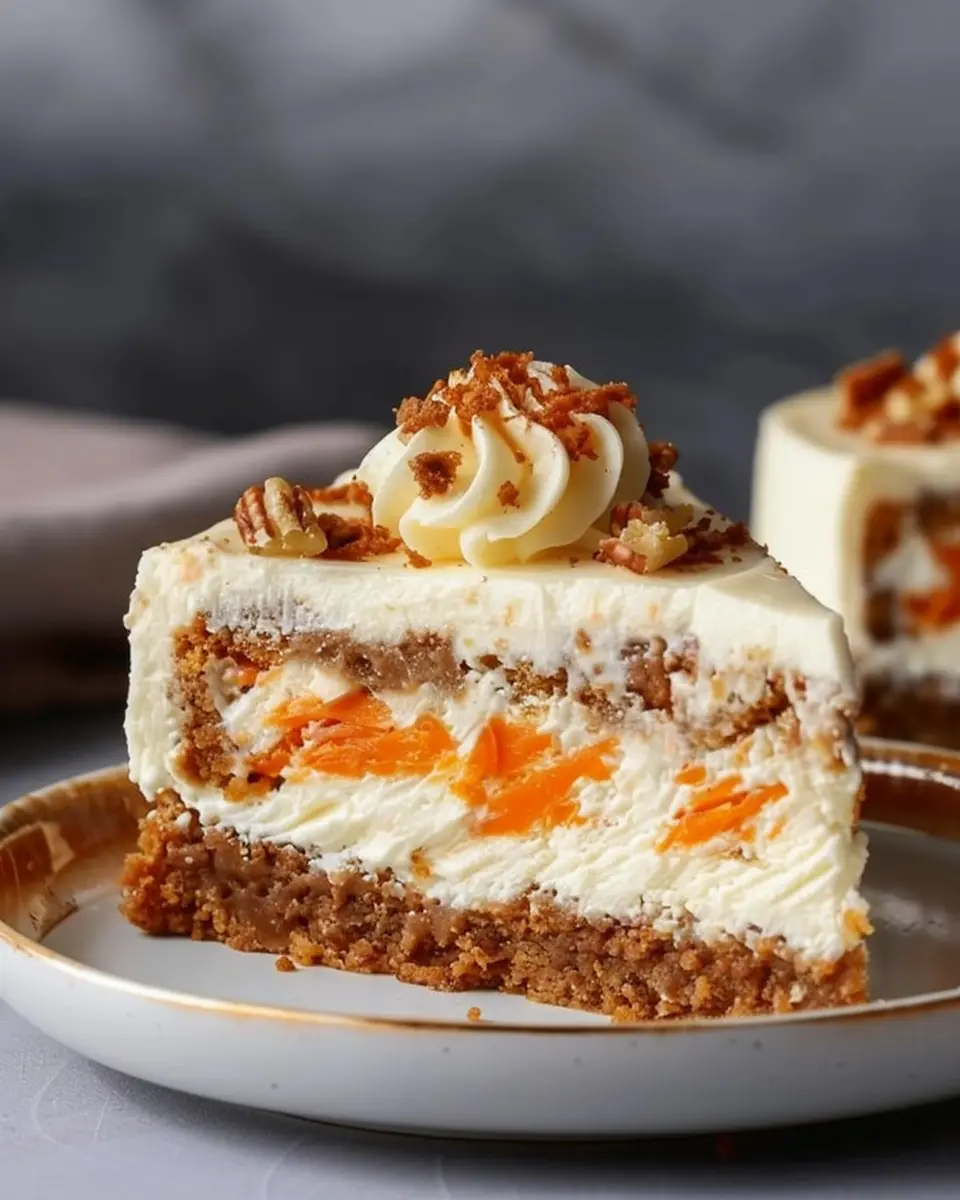
Next, gently pour the cheesecake mixture on top of the carrot layer. Finally, dollop the remaining carrot cake batter over the cheesecake layer, and using a knife or a skewer, swirl them together just a bit to create a marbled effect. This not only looks gorgeous but allows the flavors to meld harmoniously during baking.
Baking to perfection and cooling
Carefully place the pan in the preheated oven and bake for about 60-70 minutes. You’ll know it’s done when the edges are set, but the center still has a gentle jiggle. To prevent cracking, consider using a water bath by placing your springform pan in a larger pan filled with water.
Once baked, turn the oven off, crack the door, and let the cake cool down gradually inside the oven for about an hour. This method reduces the chances of chilling shock that could lead to cracks on the surface.
Afterward, remove the cheesecake from the oven and allow it to cool completely at room temperature. Once cooled, refrigerate it for at least four hours—or overnight if you can resist. The flavors deepen wonderfully with time!
Following this detailed guide will ensure that your carrot cake cheesecake turns out as delicious as you envision. For tips on choosing quality carrots or alternative toppings, check out articles on Joy of Baking or BBC Good Food. Happy baking!
Variations on Carrot Cake Cheesecake
Easy Variations on Flavors and Toppings
Carrot cake cheesecake is already a delightful blend of textures and flavors, but why stop there? You can easily customize it to match your taste preferences or celebrate seasonal ingredients. Here are some tasty ideas:
- Spiced Up: Incorporate nutmeg or cardamom into the filling for an extra aromatic delight.
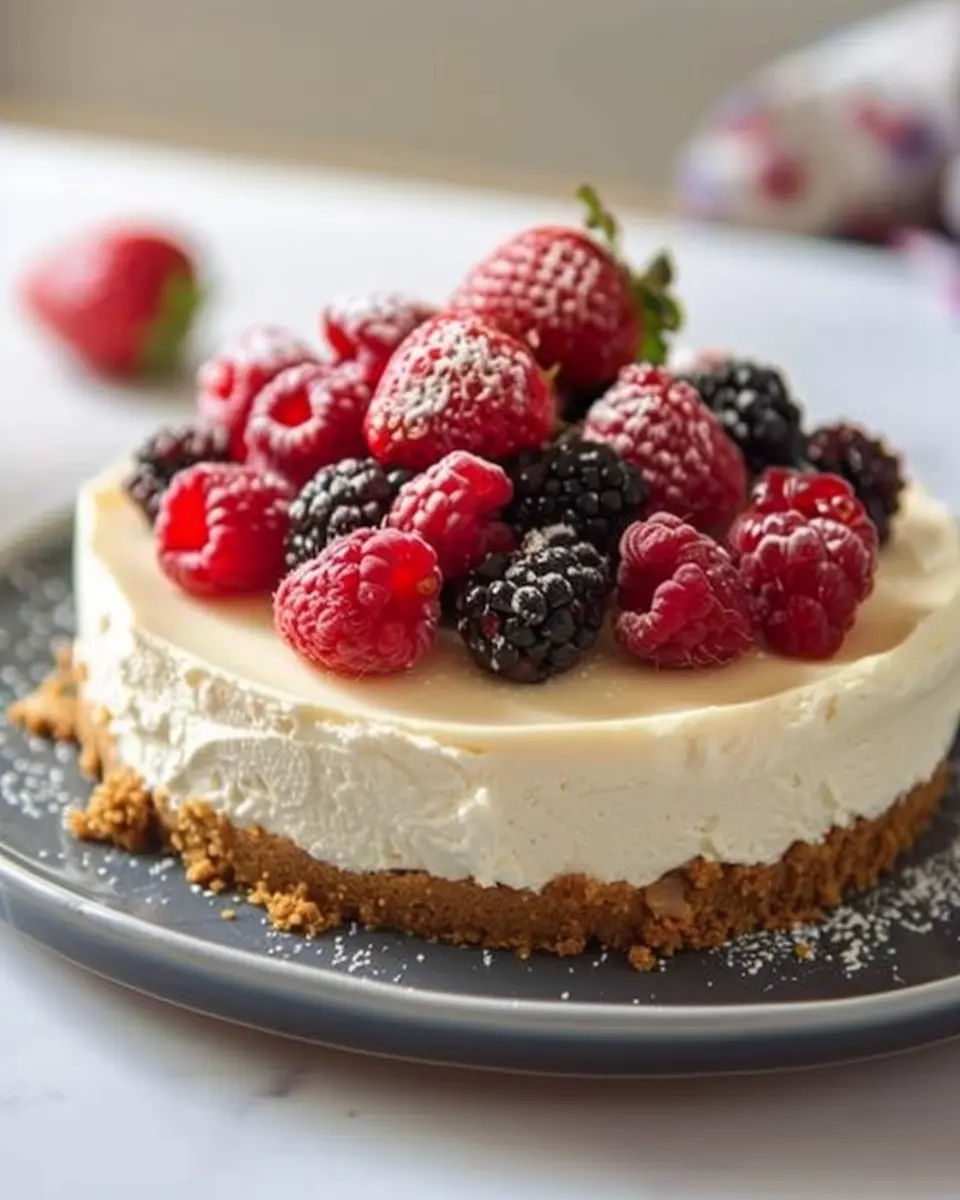
- Fruit Fusion: Top with fresh fruits like pineapple or strawberries. Feel free to drizzle a homemade fruit compote over it for added zing.
- Nutty Crunch: Consider adding chopped walnuts or pecans either in the batter or as a garnish. They provide a satisfying crunch that beautifully complements the creaminess of the cheesecake.
- Creamy Swirls: For a marbled effect, swirl in some cream cheese frosting before baking. It adds a rich layer of flavor and an aesthetically pleasing look.
If you’re curious about experimenting with flavors, check out these creative variations on cheesecake recipes for more inspiration.
Gluten-Free Carrot Cake Cheesecake Option
For those following a gluten-free diet, making a carrot cake cheesecake is nearly as straightforward. Simply substitute traditional flour with a gluten-free blend. Moreover, consider using gluten-free graham crackers or almond flour for the crust.
It’s incredible how a few adjustments can make this dessert accessible without compromising on taste. According to the Celiac Disease Foundation, awareness of gluten intolerance has increased, making it even more important to offer delicious alternatives for all.
Remember, the goal is to maintain that moist, rich flavor of carrot cake cheesecake, regardless of dietary restrictions. Everyone deserves to indulge in this delightful treat!
Cooking Tips and Notes for Carrot Cake Cheesecake
Importance of Room Temperature Ingredients
When making your carrot cake cheesecake, ensuring that your ingredients are at room temperature is crucial. This step helps create a creamy, smooth batter, which leads to a perfectly blended cheesecake. Think about it: cold ingredients can cause clumps in your mixture, making the texture gritty instead of velvety. Allow your cream cheese and eggs to sit out for about 30 minutes before mixing. It makes a world of difference!
Tips to Avoid Cracks in the Cheesecake
Cracks in your cheesecake can be a real bummer, but there are a few tricks to keep it looking flawless:
- Bathe in a Water Bath: Placing your carrot cake cheesecake in a water bath while baking helps regulate the temperature, preventing sudden heat changes that cause cracking.
- Don’t Overmix: Mix ingredients just until combined. Overmixing incorporates excess air, leading to cracks as the cake cools.
- Cool Gradually: After baking, turn off the oven and let the cheesecake cool slowly with the door ajar. This step helps prevent rapid temperature changes, which can cause cracks.
For more helpful tips on baking, check out resources like Food Network or Serious Eats for expert insights. Enjoy your baking journey!
Serving Suggestions for Carrot Cake Cheesecake
Creative Ways to Present Your Cheesecake
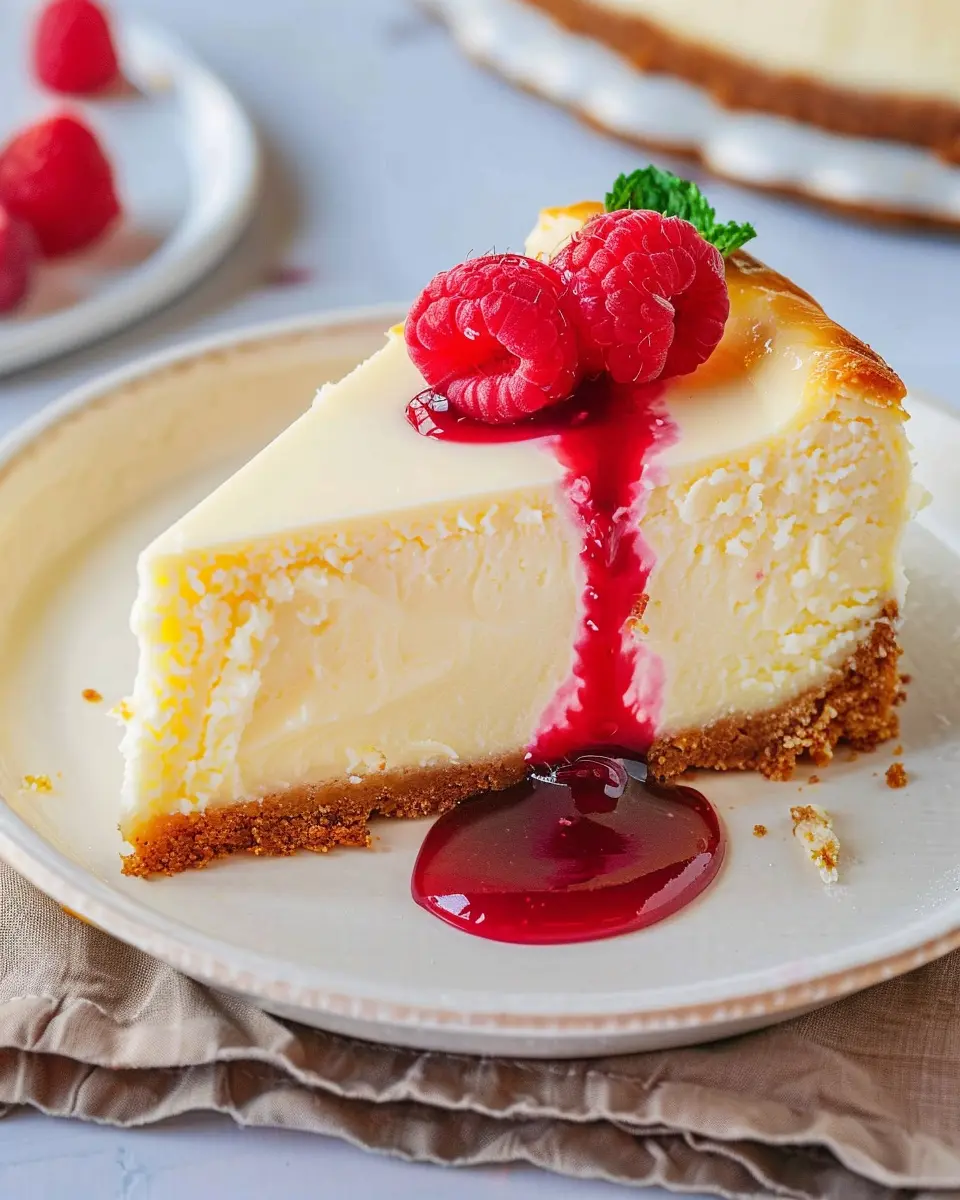
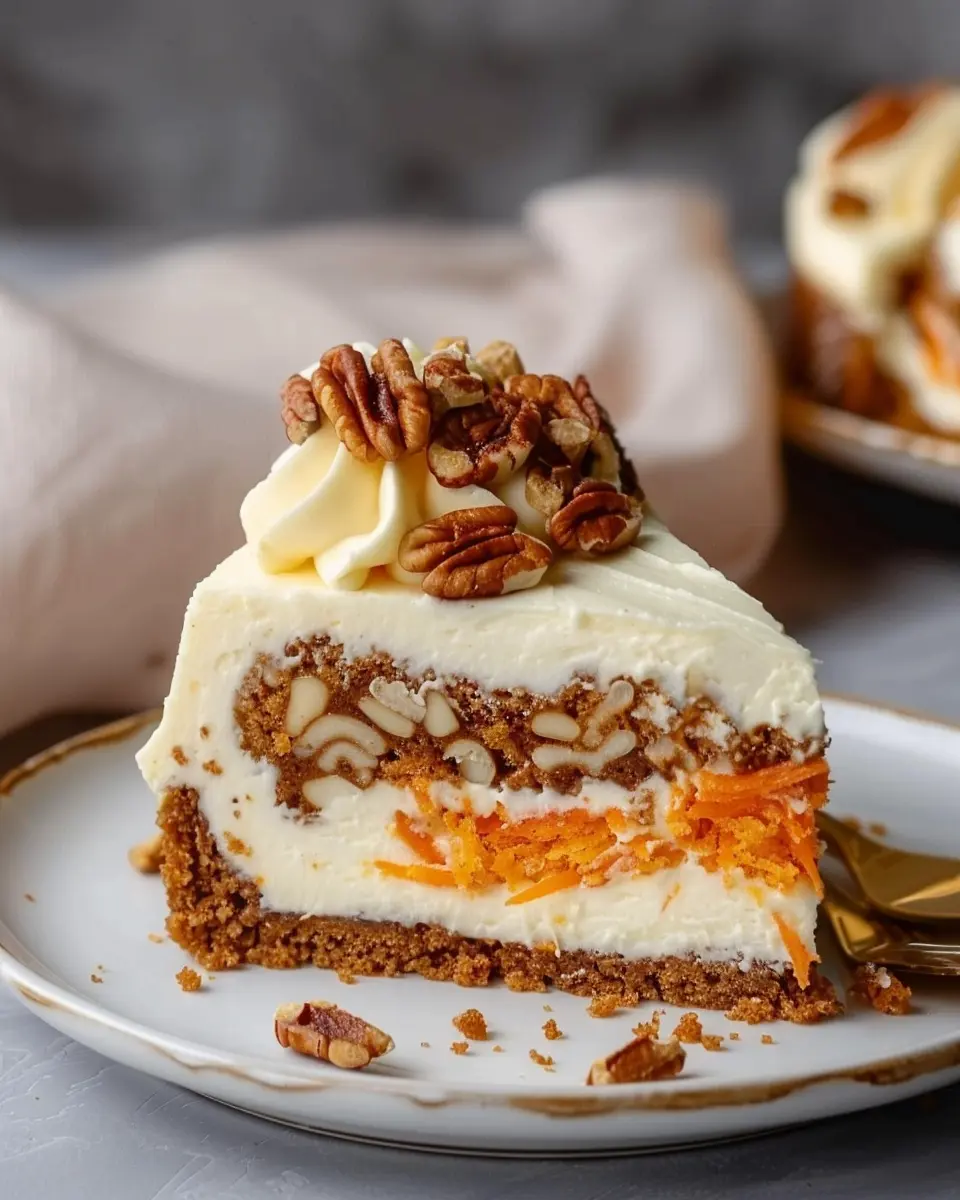
When it comes to serving your carrot cake cheesecake, presentation can make all the difference. A beautiful serving platter can elevate your dessert into a centerpiece. Try garnishing with a sprinkle of chopped pecans and a drizzle of caramel sauce for a touch of elegance. You can also slice individual pieces and plate them with a dollop of whipped cream on the side. Adding edible flowers can bring a pop of color and freshness to the dish, making it visually appealing for gatherings or celebrations.
Perfect Pairing for Beverages and Sides
What complements your decadent carrot cake cheesecake? Consider serving it with a warm cup of spiced chai or a refreshing iced herbal tea. The aromatic spices will enhance the cheesecake’s flavors, creating a delightful experience. For sides, a simple fruit salad with seasonal fruits can add a refreshing contrast, while creamy vanilla ice cream provides a delightful contrast in temperature and texture.
For more inspiration on pairing desserts with beverages, check out Food & Wine’s dessert pairings. This playful approach to serving will impress your guests and make your cheesecake the star of the show!
Time Breakdown for Carrot Cake Cheesecake
Preparation time
Getting started on your carrot cake cheesecake is a breeze! Set aside about 20-30 minutes for gathering your ingredients, measuring, and mixing your batter. This is a great time to put on some music or a podcast, making the process even more enjoyable.
Baking time
Once your batter is ready, pour it into your prepared pan, and let it bake in the oven for about 50-60 minutes. You’ll know it’s done when the edges are set but the center is still a tad jiggly—don’t worry, it will firm up as it cools!
Cooling and chilling time
After baking, let the cheesecake cool at room temperature for at least an hour. It’s essential to let it cool gradually to avoid cracks. Then, refrigerate it for at least 4 hours, or ideally overnight. This step is crucial for the flavors to meld and the texture to reach perfection.
For more tips on baking and cheesecake perfection, check out resources like The American Test Kitchen for expert advice!
Nutritional Facts for Carrot Cake Cheesecake
Calories per slice
A single slice of carrot cake cheesecake typically contains around 300 to 400 calories. This makes it a delicious yet indulgent dessert option, perfect for satisfying your sweet tooth without going overboard.
Key nutritional highlights
When you’re enjoying your carrot cake cheesecake, it’s good to know what you’re consuming:
- Protein: Depending on the ingredients, you can expect about 5-8 grams of protein per slice, thanks to the cream cheese and eggs.
- Fat: With the cream cheese and possibly some nuts, you’re looking at around 20 grams of fat, but many recipes use reduced-fat options.
- Sugars: This treat may contain roughly 25 grams of sugar; consider swapping refined sugars for natural sweeteners for a healthier twist.
- Vitamins: Thanks to the carrots, you’ll get a dose of beta-carotene, which is good for your vision and skin.
For more detailed nutritional breakdowns, check out resources like the USDA National Nutrient Database or nutrition tracking apps. Incorporating carrot cake cheesecake into a balanced diet can be a delightful way to treat yourself, just remember to enjoy it in moderation!
FAQs about Carrot Cake Cheesecake
How do I know when my cheesecake is done baking?
One of the most common concerns with baking a carrot cake cheesecake is achieving that perfect texture. To know it’s done, look for these signs:
- Edges Set, Center: The edges should appear firm, while the center may still jiggle slightly. This indicates that it will set perfectly once cooled.
- Temperature Check: Use an instant-read thermometer—your cheesecake should ideally reach around 150°F (65°C) in the center for best results.
- Cooling: After baking, allow it to cool gradually. This helps prevent cracks, which can be a tricky issue!
Can I make carrot cake cheesecake in advance?
Absolutely! In fact, making your carrot cake cheesecake in advance can enhance its flavor. Here’s how you can prepare:
- Refrigeration: Bake your cheesecake and let it cool completely. Once cooled, wrap it tightly in plastic wrap or aluminum foil and refrigerate for up to 3 days.
- Freezing: If you need to store it longer, you can freeze it for up to a month. Just be sure to thaw it in the fridge overnight before serving.
What are some common mistakes to avoid?
Even experienced bakers can sometimes stumble. Here are some pitfalls to watch out for when making your carrot cake cheesecake:
- Overmixing: When mixing your ingredients, be gentle to avoid incorporating too much air, which can lead to cracks during baking.
- Skipping the Water Bath: Using a water bath helps maintain an even baking temperature, preventing dry edges and a gooey center.
- Not Cooling Gradually: Don’t rush the cooling process! Sudden temperature changes can cause your cheesecake to crack.
By keeping these tips in mind and planning ahead, you’re on your way to creating a delicious carrot cake cheesecake. For more baking insights, check out resources from The Kitchn or Taste of Home. Happy baking!
Conclusion on Carrot Cake Cheesecake
Why Carrot Cake Cheesecake Deserves a Spot in Your Dessert Rotation
If you’re looking to elevate your dessert game, the carrot cake cheesecake is a must-try. Combining the moistness of traditional carrot cake with the creamy goodness of cheesecake, this dessert is perfect for any occasion, from casual get-togethers to festive celebrations.
Its unique blend of spices and textures captivates the palate, while the addition of cream cheese frosting makes it even more irresistible. Plus, with health benefits from carrots, this treat can feel a little less guilty. For those who appreciate indulgence with a twist, why not make carrot cake cheesecake a staple in your dessert repertoire? You won’t regret it!
For more tips on baking and dessert pairings, check out related articles on popular baking blogs like King Arthur Baking and Serious Eats.
PrintCarrot Cake Cheesecake: The Best Recipe for Cozy Indulgence
This Carrot Cake Cheesecake combines the rich flavors of traditional carrot cake with the creamy texture of cheesecake, making it the perfect dessert for any occasion.
- Prep Time: 30 minutes
- Cook Time: 1 hour
- Total Time: 1 hour 30 minutes
- Yield: 12 servings
- Category: Dessert
- Method: Baking
- Cuisine: American
- Diet: Vegetarian
Ingredients
- 2 cups grated carrots
- 1 cup all-purpose flour
- 1 cup granulated sugar
- 1/2 cup brown sugar
- 1/2 cup unsalted butter, melted
- 4 large eggs
- 1 teaspoon vanilla extract
- 1 teaspoon baking powder
- 1/2 teaspoon baking soda
- 1 teaspoon ground cinnamon
- 1/2 teaspoon ground nutmeg
- 1/4 teaspoon salt
- 16 ounces cream cheese, softened
- 1 cup powdered sugar
Instructions
- Preheat the oven to 350°F (175°C).
- In a large bowl, mix grated carrots with flour, sugars, melted butter, and eggs until well combined.
- Add vanilla, baking powder, baking soda, cinnamon, nutmeg, and salt to the mixture and stir until smooth.
- Pour half of the carrot mixture into a springform pan.
- In another bowl, beat cream cheese and powdered sugar until creamy.
- Spoon the cream cheese mixture over the carrot layer.
- Top with the remaining carrot mixture.
- Bake for 50-60 minutes or until the cheesecake is set. Let cool before serving.
Notes
- For best results, refrigerate overnight before serving.
- Top with cream cheese frosting for extra indulgence.
Nutrition
- Serving Size: 1 slice
- Calories: 350
- Sugar: 22 grams
- Sodium: 250 mg
- Fat: 18 grams
- Saturated Fat: 10 grams
- Unsaturated Fat: 6 grams
- Trans Fat: 0 grams
- Carbohydrates: 43 grams
- Fiber: 2 grams
- Protein: 6 grams
- Cholesterol: 95 mg