Introduction to Butternut Squash & Sage Pasta
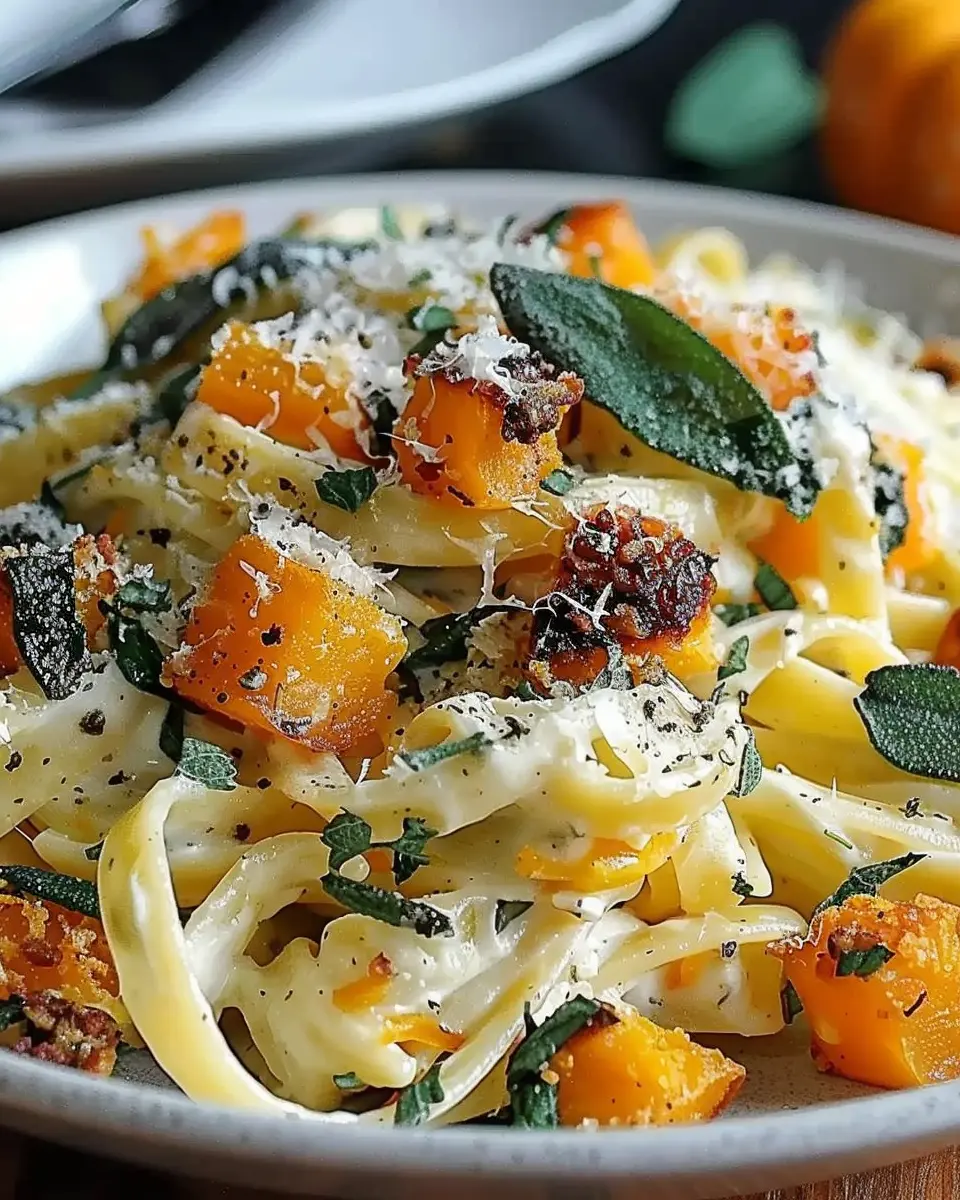
When the leaves start to turn and a crispness lingers in the air, there’s something incredibly comforting about a hearty dish of butternut squash & sage pasta. This delightful combination not only showcases the rich flavors of fall but also brings a dash of culinary sophistication to your dinner table. Let’s delve into what makes this pairing so magical.
Why Butternut Squash and Sage Make the Perfect Pairing
Butternut squash is like a sweet, velvety embrace on your palate, with its smooth texture and natural sweetness. When roasted, it caramelizes to perfection, enhancing its earthy flavor. Sage, on the other hand, brings a savory note that complements the sweetness of the squash beautifully. Together, they create a balance that’s simply enchanting.
-
Nutritious Benefits: Butternut squash is packed with nutrients. According to the USDA, it’s a great source of vitamins A and C, which boost your immune system. On the flip side, sage is known for its anti-inflammatory properties and is rich in antioxidants, providing a healthful boost to this dish.
-
Culinary Tradition: The pairing of squash and sage isn’t just a random arrangement. This combination has been celebrated in Italian cuisine for centuries, making it a time-tested classic. If you’re looking to elevate your cooking, why not honor tradition while enjoying modern flavors?
-
Versatility: Whether you’re cooking for a casual weeknight dinner or hosting friends for a fancy gathering, butternut squash & sage pasta can adapt to your needs. Toss in some turkey bacon or chicken ham for added protein, and you have a dish that satisfies both the soul and the body.
This recipe is not just about filling your stomach; it’s also about creating an experience. Imagine the aroma filling your kitchen, the colors shining on your plate, and the smiles gathered around your table. So, grab that butternut squash and let’s whip up something special together!
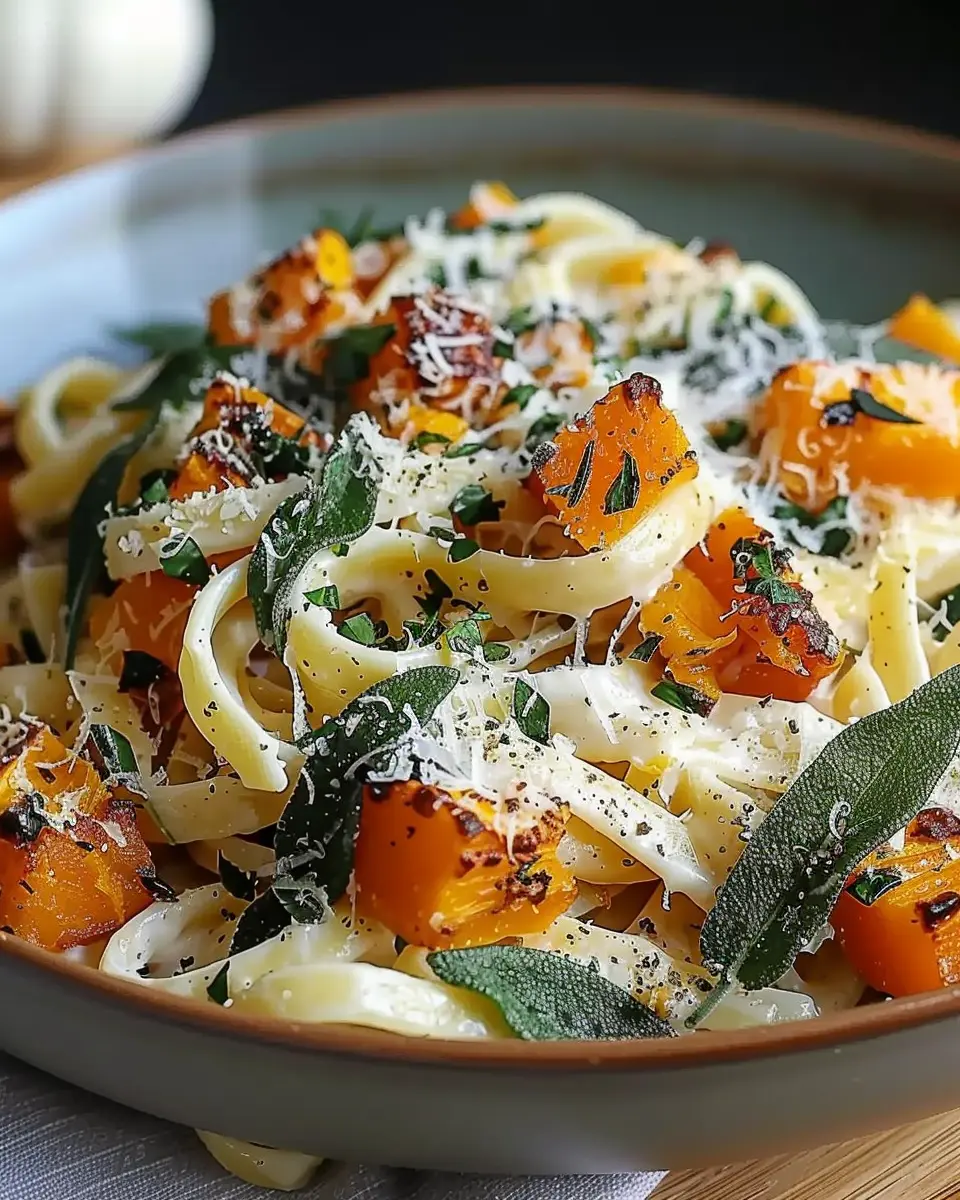
Ingredients for Butternut Squash & Sage Pasta
Creating the perfect butternut squash & sage pasta starts with fresh, quality ingredients that bring out those rich, autumnal flavors. Here’s what you’ll need to master this comforting dish:
Essential ingredients
- Pasta: Choose your favorite type, whether it’s fettuccine, penne, or even a gluten-free option.
- Butternut Squash: About 1 medium squash, peeled and cubed for a sweet, nutty base.
- Fresh Sage: Roughly 10-15 leaves for that aromatic, earthy flavor.
- Olive Oil: Use a good quality oil for sautéing and enhancing flavors.
- Garlic: A couple of cloves, minced, to add depth and richness.
- Parmesan Cheese: Freshly grated for garnishing and enriching the dish.
Optional add-ins for customization
Feeling adventurous? Consider these optional add-ins to personalize your butternut squash & sage pasta:
- Turkey Bacon or Chicken Ham: For added protein and a smoky kick.
- Spinach or Kale: Toss in some greens for an extra veggie boost.
- Nuts: Walnuts or pine nuts can provide a delightful crunch.
- Red Pepper Flakes: If you like a bit of heat, a pinch will do!
With these ingredients in hand, you’re ready to create a soul-warming pasta that’s both satisfying and flavorful. Happy cooking!
For more inspiration, check out this guide on pasta varieties.
Preparing Butternut Squash & Sage Pasta
If you’re looking for a dish that not only warms your soul but also impresses your friends, butternut squash & sage pasta is a win every time. This delightful combination is not just packed with flavor; it’s also simple to prepare. Let’s dive into the making of this cozy dish.
Roasting the Squash
First things first—let’s get that butternut squash ready. Roasting it enhances its natural sweetness and brings out a delicious depth of flavor. Here’s how you can do it:
-
Preheat your oven: Set it to 400°F (200°C). A hot oven is key for caramelizing the sugar in the squash.
-
Prep the squash: Peel it and chop it into small cubes, roughly 1-inch in size. The smaller the pieces, the quicker they’ll roast.
-
Season well: Toss the squash cubes with olive oil, salt, and pepper in a large bowl. This step is crucial; the oil helps in roasting and prevents sticking.
-
Spread and roast: Spread the seasoned squash on a baking sheet lined with parchment paper for easy cleanup. Roast for about 25-30 minutes until golden and slightly crispy. You can check doneness with a fork—it should slide in easily.
Roasting not only makes your squash tender but also gives it a lovely caramelized flavor. If you’re curious about the health benefits of butternut squash, check out Healthline.
Cooking the Pasta
While your squash is roasting, it’s time to get the pasta going. It’s one of the simplest parts but crucial for creating that comforting butternut squash & sage pasta.
-
Choose your pasta: I love using fettuccine, but feel free to pick any shape you like best—e.g., penne or spaghetti works well too.
-
Boil the water: In a large pot, bring salted water to a boil. A touch of salt is essential; it’s your only chance to season the pasta itself.
-
Cook al dente: Once the water is boiling, add the pasta and cook according to package instructions, usually about 8-10 minutes. Remember, you want it to be al dente so it can absorb the flavors later.
-
Reserve pasta water: Before draining, save a cup of the starchy cooking water. This will be your secret weapon for creating a creamy sauce later.
Combining the Flavors
Now comes the fun part—bringing all those components together!
-
Sauté the seasoning: In a large skillet, heat some olive oil over medium heat. Add chopped onions and fresh sage—this will create that wonderful aroma.
-
Mix it up: Once the onions are translucent, add in the roasted butternut squash.
-
Add pasta: Next, introduce your drained pasta to the skillet. Toss everything together gently, ensuring the squash and pasta are well combined.
-
Incorporate the pasta water: Gradually add some of the reserved pasta water if you want a creamier consistency. The starch from the water helps bind everything together beautifully.
Final Seasoning
Before we finish off, let’s fine-tune those flavors.
-
Taste test: Take a quick taste! Do you need more salt or pepper? A sprinkle of nutmeg can also elevate the flavor.
-
Optional protein: If you’re looking to add more substance, consider tossing in some chopped turkey bacon or chicken ham for an extra layer of flavor.
Plating the Dish
Presentation matters! To serve your delicious butternut squash & sage pasta:
-
Choose your plate: Use a wide, shallow dish; it allows the pasta to spread out and look inviting.
-
Garnish: Finish with a sprinkle of grated Parmesan or a drizzle of olive oil for that extra touch of elegance. You might even add a few fresh sage leaves on top for aesthetics.
-
Enjoy immediately: This dish is best served warm, so gather your friends or settle in for a cozy night in—all ready to enjoy your culinary creation.
And there you have it! A delightful and comforting meal that’s sure to impress anyone you share it with. Happy cooking!
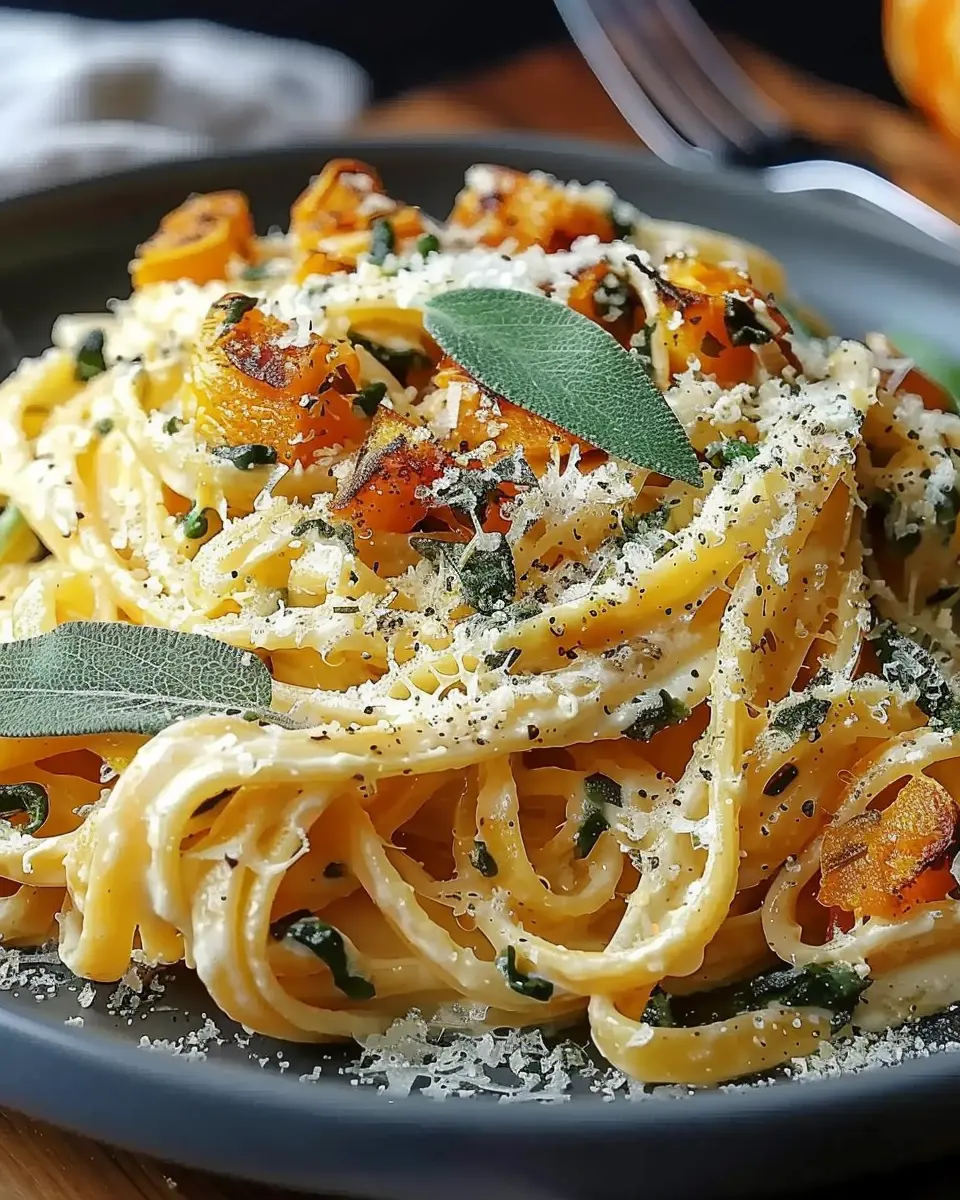
Variations on Butternut Squash & Sage Pasta
Adding Proteins for Heft
If you’re looking to make your butternut squash & sage pasta a bit heartier, consider adding a protein component. Turkey bacon is a fantastic choice if you’re searching for a smoky flavor without overwhelming richness. Cook it until crispy and toss it with your pasta—this texture contrast can elevate your dish to new heights!
Another great option is chicken ham. Sautéing it provides a savory kick that complements the sweetness of butternut squash beautifully. You might also try sautéed shrimp or grilled chicken for a lighter touch. These proteins not only make the meal more satisfying but also contribute essential nutrients like protein and iron.
Incorporating Seasonal Vegetables
One of the joys of cooking with seasonal produce is the ability to experiment. Why not add in seasonal vegetables to your butternut squash & sage pasta? Kale or spinach can bring a lovely pop of color and nutrition to your dish. Simply toss in a handful toward the end of cooking to wilt them slightly.
Roasted Brussels sprouts, if in season, can also add a delightful crunch and nuttiness. For a bit of a crunch, consider topping your pasta with toasted pumpkin seeds or walnuts, which also offer a wonderful contrast to the creamy butternut sauce.
Using fresh produce is not only a smart choice for your health but also helps to support local farmers. Check out resources like LocalHarvest to find seasonal vegetables grown in your area and try to source your ingredients fresh!
These variations allow you to create a delightful, customizable dish that fits your preferences and dietary needs. So why not get creative? Your taste buds will thank you!
Cooking Tips and Notes for Butternut Squash & Sage Pasta
Make-ahead Strategies
Want to make your weeknight dinners a breeze? You can prep your butternut squash & sage pasta in advance! Start by roasting the butternut squash and storing it in an airtight container in the fridge for up to three days. You can also cook your pasta ahead and toss it lightly with olive oil to prevent sticking. When you’re ready to eat, just reheat everything in a skillet, adding a splash of vegetable broth or your favorite alternative for moisture. This way, you’ll save time while keeping the flavors fresh.
Storing Leftovers
It’s easy to enjoy your delicious leftovers! Store any remaining butternut squash & sage pasta in an airtight container in the refrigerator. It should last up to three days. When reheating, just add a little bit of broth or water to keep the dish moist and flavorful. If you want to stash it longer, consider freezing it. For the best results, freeze individual portions wrapped tightly to maintain taste and texture.
For more storage tips, check out this guide.
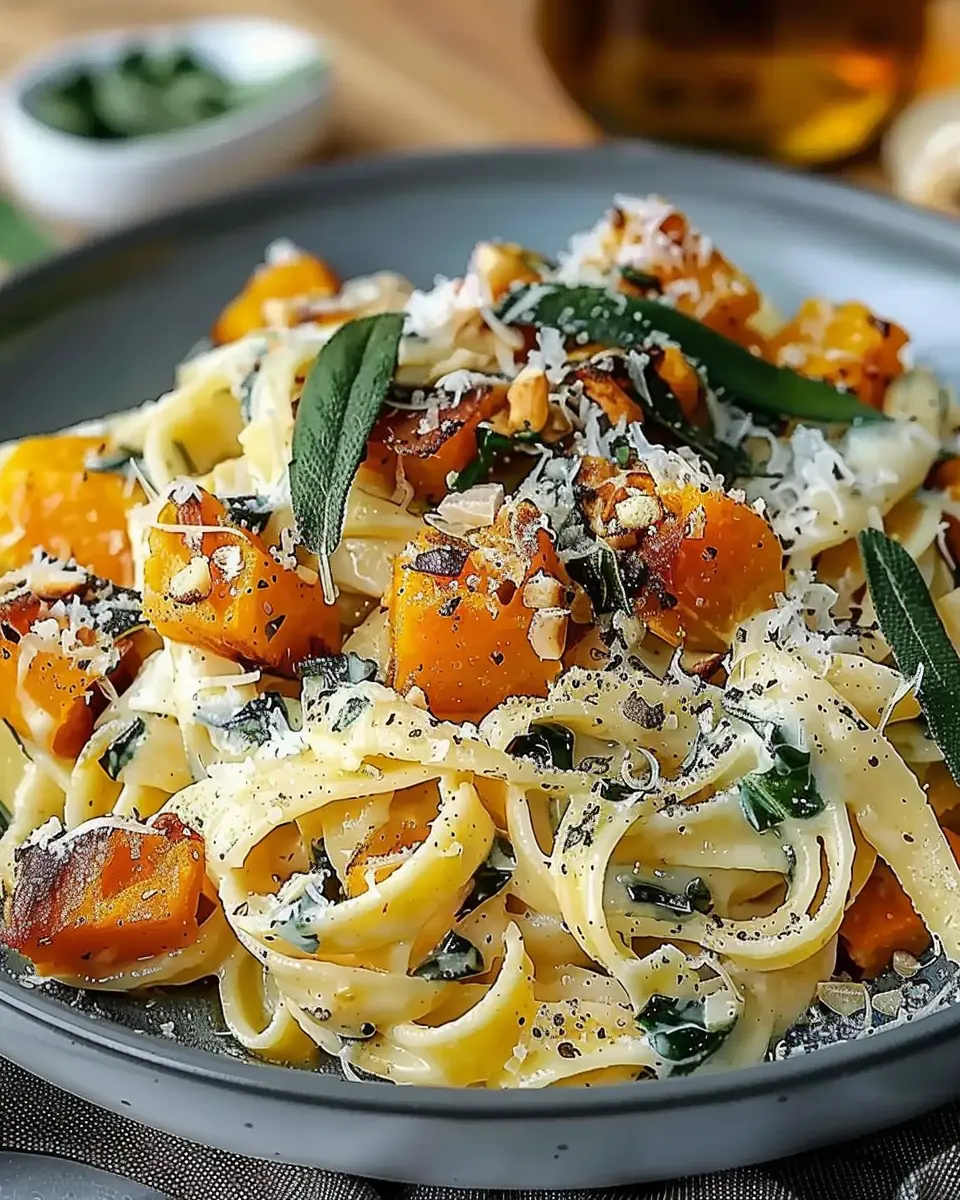
Serving Suggestions for Butternut Squash & Sage Pasta
Complementary Side Dishes
When serving your butternut squash & sage pasta, consider side dishes that enhance its warm and earthy flavors. Here are some tasty ideas:
- Garlic Bread: A crispy, buttery garlic bread pairs wonderfully, offering a delightful crunch.
- Roasted Brussels Sprouts: These bring a nice crunch and slight bitterness that balances the sweetness of the squash.
- Simple Arugula Salad: Toss arugula with lemon vinaigrette for a refreshing contrast to the rich pasta dish.
Pairing with Beverages
As for drinks, opt for something non-alcoholic that complements the dish without overshadowing its flavors. Here are a few suggestions:
- Sparkling Water with Lime: This adds a refreshing touch and helps cleanse the palate.
- Herbal Iced Tea: A light chamomile or mint tea works beautifully, enhancing the earthy sage notes of the pasta.
- Apple Cider (Sparkling or Hot): Its subtle sweetness and warmth complement the savory elements in your meal.
These thoughtful pairings not only elevate the experience but also make your butternut squash & sage pasta inviting and memorable for your guests. Want to dive deeper into how flavors interact? Check out Serious Eats for insights on food pairings!
Time breakdown for Butternut Squash & Sage Pasta
Preparation time
Getting started on your butternut squash & sage pasta doesn’t have to take forever. You’ll typically need about 15 minutes to peel, seed, and dice the squash and gather your ingredients. A little planning goes a long way—consider chopping veggies ahead of time to streamline the process.
Cooking time
Once everything is prepped, the cooking should take around 25 minutes. This includes roasting the butternut squash until it’s tender and infusing your pasta with delicious flavors.
Total time
When you add it all up, you’re looking at about 40 minutes from start to finish. Not too shabby for a dish that’s both comforting and impressive! For more tips on timing and prep, check out this guide on meal prep to simplify your cooking routine.
Nutritional facts for Butternut Squash & Sage Pasta
When you’re whipping up a delicious plate of butternut squash & sage pasta, it’s great to know what you’re getting in terms of nutrition. Let’s break down some key facts.
Calories
A standard serving of butternut squash & sage pasta typically contains around 400-500 calories. This makes it a filling yet manageable choice for your dinner plate. Perfect for those nights when you want comfort food without the guilt!
Fiber content
One of the standout features of butternut squash is its fiber content. You can expect about 6-8 grams of fiber per serving in this pasta dish. Fiber is essential for digestion, keeping you feeling satiated, and maintaining a healthy gut. To learn more about the benefits of dietary fiber, check out resources from the Academy of Nutrition and Dietetics.
Protein
While butternut squash offers some protein, it’s the addition of ingredients like Turkey Bacon or Chicken Ham that boosts the protein content. You might find your pasta dish delivering around 15-20 grams of protein, depending on what you add. This helps support muscle health and keeps you energized throughout your busy day.
Incorporating nutritious elements into your meals not only fuels your body but also enhances the overall dining experience. Enjoy your cooking adventure!
FAQs about Butternut Squash & Sage Pasta
Can I use frozen butternut squash?
Absolutely! Using frozen butternut squash can save you time without sacrificing flavor. The convenience of frozen squash means you can whip up your butternut squash & sage pasta even on the busiest days. Just make sure to thaw and drain any excess moisture before using it in the recipe for the best results. For more insights on incorporating frozen veggies into your meals, check out this thriving kitchen blog.
What pasta works best for this recipe?
While you can technically use any type of pasta, our favorite options for butternut squash & sage pasta are whole wheat or fusilli. Whole wheat pasta adds a nutty flavor and extra fiber, making the dish a bit heartier. Fusilli, with its spiral shape, holds onto the sauce beautifully, ensuring every bite is bursting with flavor. Other great alternatives are penne or farfalle. Each brings a unique texture that complements the creamy squash sauce and fragrant sage.
How do I store leftovers?
Storing leftovers is a breeze! Allow your butternut squash & sage pasta to cool completely before transferring it to an airtight container. Stored in the refrigerator, it should last about 3 to 5 days. For longer storage, consider freezing the pasta. Portion it into freezer-safe containers, and it will keep for up to 3 months. Just remember to reheat gently on the stovetop or microwave, adding a splash of vegetable or chicken broth to revive its creaminess.
Conclusion on Butternut Squash & Sage Pasta
As you wrap up your culinary adventure with butternut squash & sage pasta, remember that the kitchen is your playground. Don’t hesitate to swap ingredients or add your favorite flavors—perhaps a touch of garlic or a sprinkle of parmesan might enhance the dish even further.
Cooking is all about exploration and enjoyment! Embrace the changing seasons and consider trying other vegetables or herbs to create your own twist.
For more inspiration, check out sites like BBC Good Food or Bon Appétit for diverse recipes. Happy cooking!
PrintButternut Squash & Sage Pasta: A Warm, Cozy Delight
A comforting pasta dish featuring roasted butternut squash and fragrant sage.
- Prep Time: 10 minutes
- Cook Time: 30 minutes
- Total Time: 40 minutes
- Yield: 4 servings
- Category: Main Dish
- Method: Bake and Sauté
- Cuisine: Italian
- Diet: Vegetarian
Ingredients
- 1 pound butternut squash
- 8 ounces pasta of choice
- 2 tablespoons olive oil
- 2 cloves garlic, minced
- 1 teaspoon fresh sage, chopped
- 1/4 cup grated Parmesan cheese
- Salt and pepper to taste
Instructions
- Preheat the oven to 400°F (200°C).
- Cut the butternut squash into cubes and toss with olive oil, salt, and pepper. Spread on a baking sheet and roast for about 25 minutes.
- Meanwhile, cook the pasta according to package instructions until al dente.
- In a pan, heat olive oil and sauté garlic until fragrant. Add roasted squash and chopped sage, then mix in the cooked pasta.
- Serve topped with grated Parmesan cheese.
Notes
- For a vegan version, skip the cheese or use a dairy-free alternative.
Nutrition
- Serving Size: 1 plate
- Calories: 350
- Sugar: 4g
- Sodium: 200mg
- Fat: 10g
- Saturated Fat: 2g
- Unsaturated Fat: 7g
- Trans Fat: 0g
- Carbohydrates: 55g
- Fiber: 5g
- Protein: 10g
- Cholesterol: 5mg